
Uncategorized, health
Understanding Losartan: Losartan Side Effects And Essential Guide You Should Know
Jun
Managing high blood pressure is a lifelong journey, and for millions of patients, Losartan serves as a cornerstone of cardiovascular health. As an angiotensin II receptor blocker (ARB), this medication effectively relaxes blood vessels to improve circulation and reduce the workload on your heart. However, like any prescription drug, it is important to be fully informed about how it interacts with your body. Being aware of the Losartan side effects you should know is the first step toward feeling confident and empowered in your healthcare decisions.
While most people tolerate Losartan exceptionally well, understanding the difference between common, mild adjustments and serious warning signs ensures you can communicate effectively with your doctor. This guide provides a deep dive into what you can expect, how to manage symptoms, and when to seek medical intervention.
What is Losartan?
Losartan works by blocking the action of certain natural substances in the body that tighten the blood vessels. By inhibiting this process, the medication allows blood vessels to relax and widen, which helps to improve circulation and significantly reduces the amount of work the heart must perform to pump blood throughout the body.
Why People Use It
People are typically prescribed Losartan for the following health management purposes:
- High Blood Pressure (Hypertension): The primary use of Losartan is to lower elevated blood pressure. Lowering blood pressure helps prevent strokes, heart attacks, and kidney problems.
- Kidney Protection: It is frequently used in patients who have both high blood pressure and type 2 diabetes to help protect the kidneys from long-term damage.
- Reducing Stroke Risk: In patients who have high blood pressure and an enlarged heart (left ventricular hypertrophy), Losartan is used to decrease the risk of experiencing a stroke.
What Are Common Losartan side effects?
When you first begin taking Losartan, or if your physician adjusts your dosage, your body undergoes a process of adaptation. During this period, you might experience mild, temporary reactions as your blood pressure stabilizes. These are generally not cause for alarm but should be monitored closely. Losartan Side Effects You Should Know .
Frequently Reported Mild Symptoms
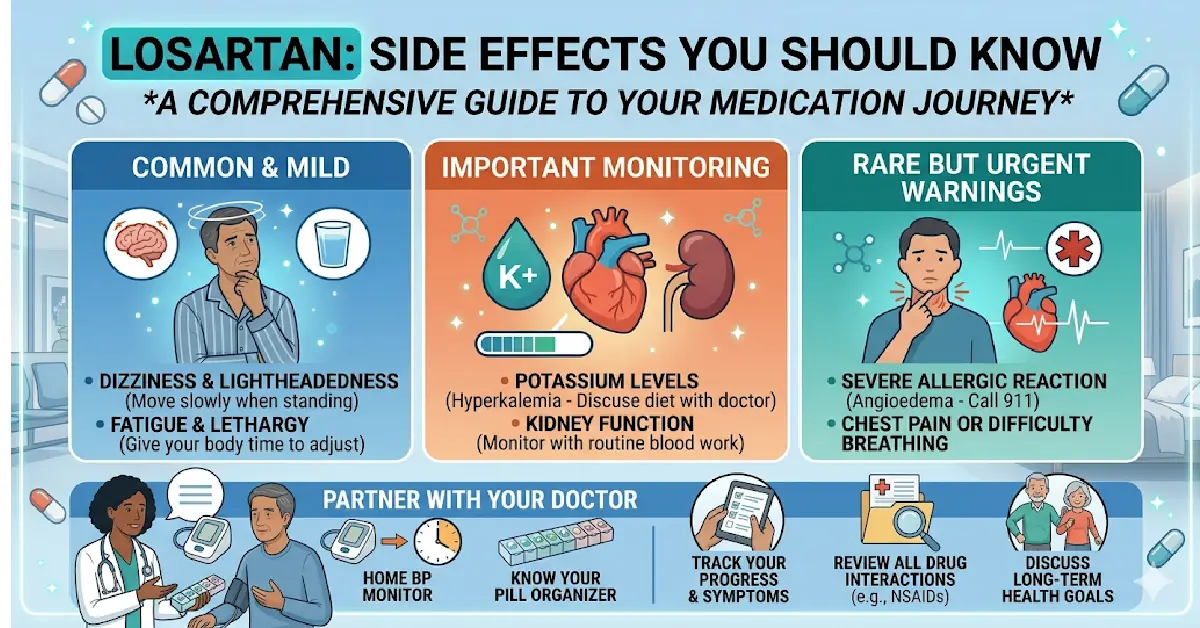
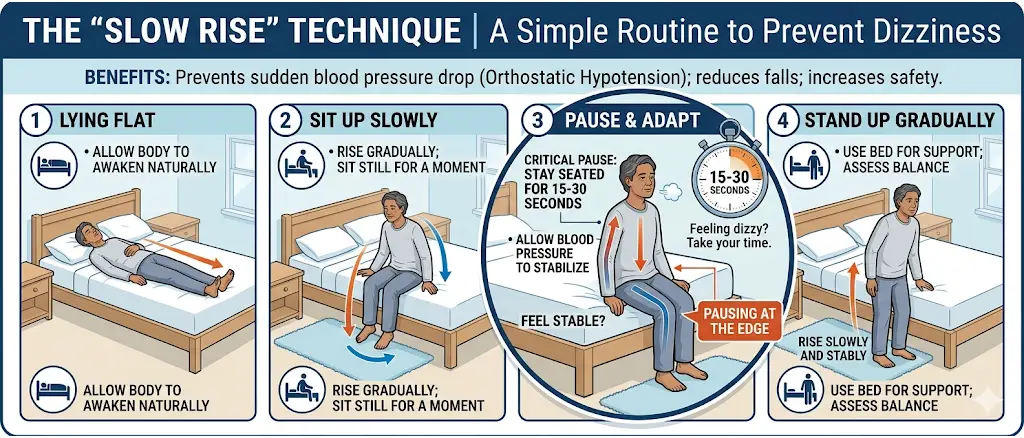
- Dizziness or Lightheadedness: Because Losartan works by lowering systemic blood pressure, your body may take a moment to adjust when you change positions—specifically when standing up quickly (orthostatic hypotension).
- Fatigue and Lethargy: Feeling slightly more tired than usual is common as your heart and blood vessels adjust to the new, more relaxed state. This usually subsides after a few weeks of consistent use.
- Nasal Congestion: Some patients experience upper respiratory symptoms, including stuffiness or mild sinus pressure.
- Back or Joint Pain: Minor muscle or joint discomfort is a documented, though less common, effect.
- Digestive Discomfort: Mild nausea, diarrhea, or indigestion can occur early in the treatment cycle as your gastrointestinal tract adjusts to the chemical composition of the drug.
How to Manage Minor Adjustments
If you experience these symptoms, simple lifestyle shifts often help:
- The “Slow Transition” Method: When getting out of bed or standing from a chair, rise slowly. Allow your body a moment to stabilize before walking.
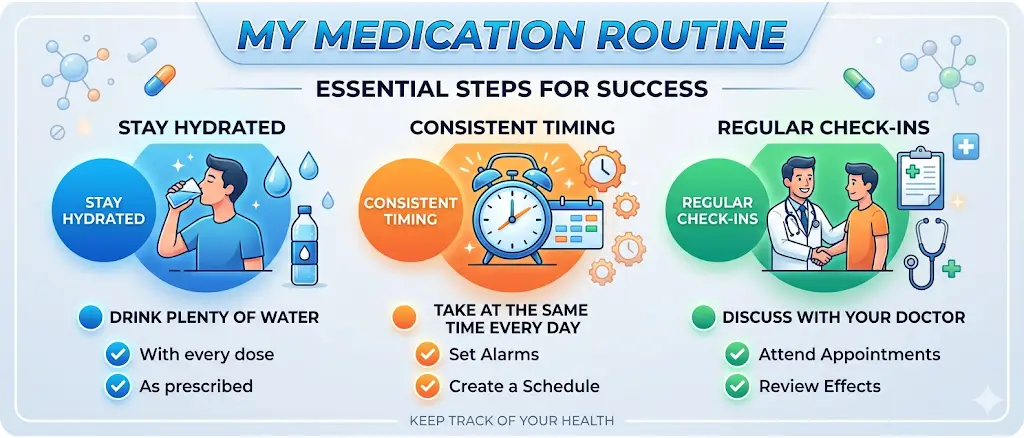
- Hydration Awareness: Proper fluid intake is essential, but avoid excessive caffeine or alcohol, which can interfere with blood pressure regulation and worsen dizziness.
- Consistent Timing: Taking your medication at the same time every day—preferably with a meal to aid digestion—helps keep blood levels stable.
Understanding the “Hyperkalemia” Connection
One of the more technical Losartan side effects you should know involves your body’s potassium levels. Losartan is designed to block the effects of angiotensin II, which can sometimes lead to the retention of potassium in the blood—a condition known as hyperkalemia.
Why Potassium Levels Matter
Potassium is essential for heart and nerve function, but too much of it can lead to dangerous cardiac arrhythmias.
- Symptoms to Monitor: Unexplained muscle weakness, a feeling of “pins and needles” in the extremities, or a racing/irregular heartbeat.
- Proactive Steps: If you are on a specific diet or using salt substitutes (many of which contain potassium chloride), discuss this with your physician immediately. They may need to order a simple blood panel to check your electrolyte balance.
Renal Health and Losartan
Because your kidneys play a vital role in blood pressure regulation, they are directly affected by ARBs like Losartan. While Losartan is often prescribed to protect the kidneys in patients with diabetic nephropathy, it can also influence kidney function markers.
Signs Your Kidneys Need Attention
- Edema: Watch for unexplained swelling, particularly in your lower legs, ankles, or feet.
- Changes in Urination: A significant decrease in urine output or changes in the color of your urine should always be reported to your doctor.
- Routine Lab Work: Expect your doctor to order periodic blood tests to track serum creatinine levels. This is a standard safety protocol, not a sign of failure.
Rare but Urgent Warning Signs
Though adverse events are rare, some reactions require immediate emergency intervention. Being aware of these can save lives. If you or a loved one experience the following, stop taking the medication and seek emergency care:
- Angioedema: This is a severe allergic reaction characterized by sudden swelling of the face, lips, tongue, or throat. If you feel any difficulty breathing or swallowing, seek help immediately.
- Persistent Chest Pain: Any new or worsening chest discomfort must be evaluated as a cardiac emergency.
- Signs of Hypotension: If you experience frequent fainting, tunnel vision, or intense, unshakeable confusion, your dosage may be too high for your current needs.
- Jaundice: Yellowing of the skin or eyes can indicate liver strain, which, while extremely rare, is a serious potential side effect.
Navigating Interactions and Lifestyle
Medication does not work in a vacuum. Your lifestyle and other substances you ingest play a massive role in how you tolerate Losartan. Losartan Side Effects You Should Know .
Medication Interactions
- NSAIDs: Over-the-counter painkillers like ibuprofen or naproxen can reduce the effectiveness of Losartan and potentially increase the risk of kidney impairment.
- Diuretics: Taking Losartan alongside certain “water pills” can cause a drastic drop in blood pressure. Always ensure your doctor knows every medication you are taking, including herbal supplements.
The Importance of Adherence
It is easy to focus on the potential risks of the medication, but it is equally vital to remember why it was prescribed. Untreated hypertension is a leading cause of heart attack and stroke. Maintaining a consistent treatment plan is the most effective way to protect your long-term cardiovascular health.
Frequently Asked Questions (FAQ)
Do these side effects ever go away?
Yes. For the vast majority of patients, side effects are most prominent during the first two to four weeks of treatment. As your cardiovascular system adapts to the medication, most mild symptoms fade.
Can I take Losartan during pregnancy?
No. Losartan should be avoided during pregnancy as it can cause significant harm to the developing fetus, particularly during the second and third trimesters.
Is it safe to take Losartan with grapefruit juice?
Unlike some other medications, Losartan is not traditionally known to have a severe reaction to grapefruit. However, always consult your pharmacist, as individual metabolic responses can vary.
Can I stop taking Losartan if I feel better?
Never discontinue Losartan without talking to your doctor. Stopping suddenly can cause a “rebound” spike in blood pressure, potentially increasing the risk of an acute cardiovascular event.
Conclusion:
Navigating the Losartan side effects you should know is an essential part of your journey toward better health. By staying informed, monitoring your body, and maintaining an open line of communication with your physician, you can minimize risks and maximize the therapeutic benefits of your treatment.
Remember, you are the most important member of your healthcare team. If you ever feel that your symptoms are worsening or if you have concerns about your current dosage, do not hesitate to contact your doctor. They are there to help you adjust your plan to ensure it is both safe and effective. For more Information about Medicine visit us. Losartan Side Effects You Should Know .
Take Action Today
If you have recently started Losartan, schedule a follow-up appointment or a brief call with your healthcare provider to review how you are feeling. Keep track of your blood pressure readings at home using a digital cuff and bring those numbers to your next visit to ensure your treatment plan is working exactly as it should. Losartan Side Effects You Should Know .
