
health
Ramipril Dosage for Blood Pressure: A Comprehensive Guide to Usage and Safety
Jun
Managing hypertension effectively is essential for long-term cardiovascular health. Among the most frequently prescribed treatments, Ramipril stands out as a powerful ACE inhibitor. If you have been prescribed this medication, understanding the correct ramipril dosage for blood pressure is the first step toward managing your condition safely and effectively. In this guide, we will explore how this medication works, how to determine the right dose, and important considerations regarding side effects and lifestyle.
Understanding ramipril dosage and Its Role in Hypertension
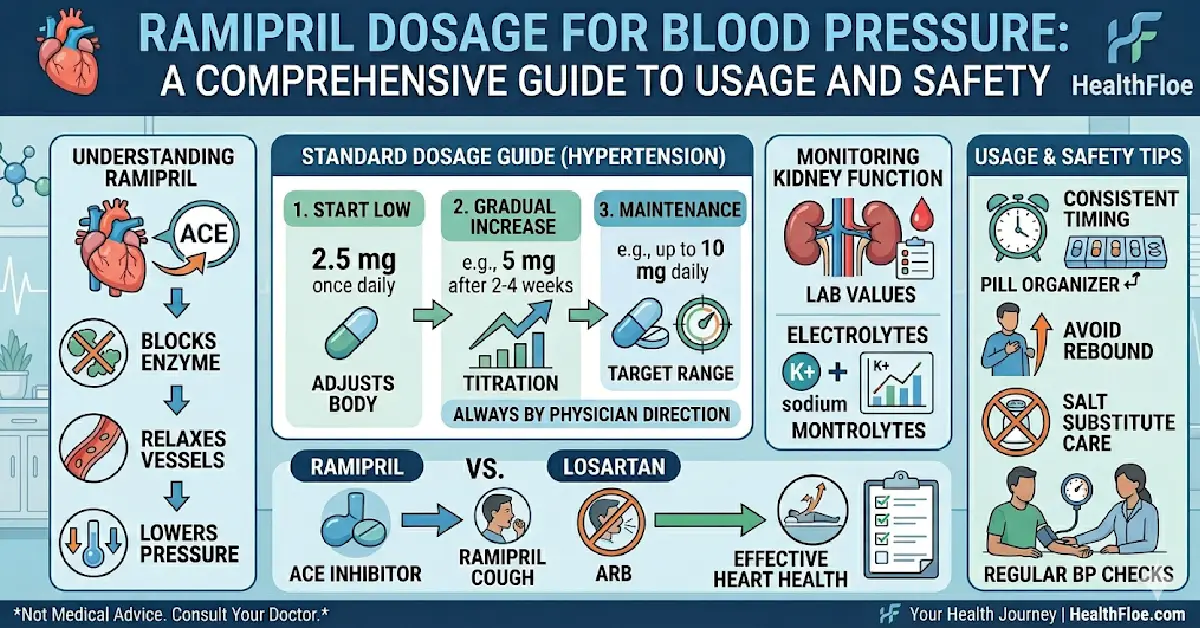
Ramipril dosage belongs to a class of medications called Angiotensin-Converting Enzyme (ACE) inhibitors. Its primary function is to block an enzyme in the body that produces angiotensin II, a substance that causes blood vessels to tighten and narrow. By inhibiting this process, Ramipril helps blood vessels relax and widen, allowing blood to flow more easily and effectively lowering overall blood pressure.
When discussing the ramipril dosage for blood pressure with your healthcare provider, it is important to realize that the dosage is rarely a “one-size-fits-all” scenario. Your doctor will tailor the amount based on your baseline blood pressure, your kidney function, and how you respond to the initial dose.
Determining Your ramipril dosage for blood pressure
The initiation of therapy usually starts low. Typically, the initial ramipril dosage for blood pressure is 2.5 mg once daily. Depending on your body’s response, your physician may increase this amount over several weeks to reach the optimal therapeutic level.
Standard Dosage Considerations
- Maintenance Levels: For many patients, the maintenance ramipril dosage for blood pressure ranges between 2.5 mg and 10 mg per day.
- Gradual Titration: Increasing the dose too quickly can sometimes lead to hypotension (excessively low blood pressure), so doctors prefer a slow, steady adjustment.
- Individual Variability: Always follow your doctor’s specific instructions, as they may adjust your ramipril dosage for blood pressure if you are taking other medications, such as diuretics.
Managing Common Concerns: ramipril dosage Side Effects
While highly effective, patients often research ramipril side effects before starting treatment. Like all medications, Ramipril can cause reactions in some individuals. Common ramipril side effects include dizziness, lightheadedness, or fatigue as the body adjusts to lower blood pressure.
The Infamous Ramipril Cough Side Effect
One of the most discussed topics is the ramipril cough side effect. Many patients ask, “Can ramipril cause dry cough?” The answer is yes—the ramipril cough side effect is a well-documented occurrence caused by the buildup of bradykinin in the lungs due to ACE inhibition. This dry, persistent, tickling cough is harmless but can be bothersome enough for some to seek an alternative.
Ramipril Dosage Side Effects in Elderly Patients
Special care is required when monitoring ramipril side effects in elderly patients. Because aging bodies may process medication differently, the risk of orthostatic hypotension (dizziness when standing up) is higher. Physicians often start with a lower ramipril for blood pressure to minimize these ramipril side effects in elderly individuals, ensuring better tolerance.

Optimizing Your Routine: Best Time to Take Ramipril
Consistency is vital in hypertension management. Many patients wonder about the best time to take ramipril. While it can be taken with or without food, most clinicians suggest the best time to take ramipril is in the morning. However, if the medication makes you feel slightly lightheaded, your doctor might suggest the best time to take ramipril is at bedtime instead.
Comparative Analysis: Ramipril vs. Losartan
Patients frequently ask, “Ramipril vs. Losartan: Which One Is Better?” Both are excellent for blood pressure, but they work differently. While Ramipril is an ACE inhibitor, Losartan is an ARB (Angiotensin II Receptor Blocker).
Key Differences
- Cough Risk: A major factor in the ramipril vs. losartan debate is the cough. ARBs like Losartan rarely cause the persistent cough associated with ACE inhibitors.
- Efficacy: Both are highly effective at reducing stroke and heart attack risk, but your doctor’s choice between them often depends on your medical history, such as whether you have a history of angioedema or diabetes.
Ultimately, the answer to “Ramipril vs. Losartan: Which One Is Better?” depends entirely on your specific health profile and how you react to each class of drug.
Monitoring Kidney Function and Electrolytes
Because Ramipril affects the hormonal pathways involving the kidneys, it is vital to monitor renal function regularly.
- Routine Blood Work: Your doctor will likely order tests to check serum creatinine and potassium levels.
- Hyperkalemia Risks: Because ACE inhibitors can lead to higher potassium levels, your doctor may advise against high-potassium diets or salt substitutes.
- Adjustment Periods: If your renal function is already impaired, your doctor may suggest a modified ramipril dosage for blood pressure to ensure safety while achieving blood pressure goals.
Lifestyle Tips for Success
When you are on an established ramipril dosage for blood pressure, consider these steps to improve your outcomes:
- Monitor Your BP: Keep a log of your home blood pressure readings to provide your doctor with accurate data.
- Watch Salt Intake: High sodium can counteract the effects of your ramipril for blood pressure, making it harder to control hypertension.
- Hydration: Maintain good fluid intake unless your doctor has instructed you otherwise, especially in hot weather.
Frequently Asked Questions (FAQ)
To help you feel more confident in your treatment journey, here are answers to common questions regarding Ramipril usage, side effects, and routine management.
Can I stop taking Ramipril if my blood pressure readings are normal?
No, you should never stop taking your medication abruptly. Normal readings are often a sign that your current ramipril dosage for blood pressure is working exactly as intended. Stopping suddenly can cause “rebound hypertension,” where your blood pressure spikes rapidly, significantly increasing the risk of cardiovascular events.
Does the dosage change over time?
Yes, it is common for your physician to adjust your ramipril for blood pressure based on your ongoing progress, changes in kidney function, or how your body responds to the medication over months or years. Always follow the dosing schedule provided by your doctor rather than making changes yourself.
What should I do if I miss a dose?
If you forget a dose, take it as soon as you remember. However, if it is nearly time for your next scheduled ramipril dosage for blood pressure, skip the missed dose and return to your regular routine. Never “double up” to make up for a missed dose, as this can lead to an unsafe drop in blood pressure.
Are there any foods I should avoid while taking Ramipril?
Because ACE inhibitors can cause the body to retain potassium, your doctor may advise you to be cautious with high-potassium foods (like bananas or oranges) and specifically avoid salt substitutes, which are often composed of potassium chloride. Discuss your diet with your healthcare provider to ensure it supports your ramipril dosage for blood pressure.
Can I drink alcohol while on this medication?
Alcohol can enhance the blood-pressure-lowering effects of Ramipril, which may lead to an increased risk of dizziness or lightheadedness. It is generally recommended to consume alcohol only in moderation while on this medication.
How long does it take for Ramipril to start working?
While you may feel the effects of your ramipril dosage for blood pressure within a few hours of the first dose, it often takes several weeks of consistent, daily use to see the full, stable impact on your blood pressure levels.
Is it safe to take over-the-counter pain relievers?
Certain non-steroidal anti-inflammatory drugs (NSAIDs), such as ibuprofen or naproxen, can interfere with the effectiveness of your ramipril dosage for blood pressure and may put additional strain on your kidneys. Always ask your pharmacist or doctor before starting any new over-the-counter medication.
Conclusion
Finding the right ramipril for blood pressure is a collaborative effort between you and your healthcare provider. Whether you are managing the common ramipril cough side effect or simply adjusting to your new routine, staying informed is your best defense against complications. By understanding the potential for ramipril side effects in elderly patients or simply knowing the best time to take ramipril, you are taking active control of your cardiovascular health.
Call to Action:
Are you concerned about your current medication or experiencing persistent symptoms? Reach out to your healthcare provider today to discuss your ramipril dosage for blood pressure and see if your current treatment plan is still the perfect fit for your lifestyle. Your heart health cannot wait!
